Storm season has a way of exposing the “small stuff” that homeowners can easily overlook until it turns into a bigger, more expensive problem. One of the most common (and preventable) culprits? Clogged or damaged gutters.
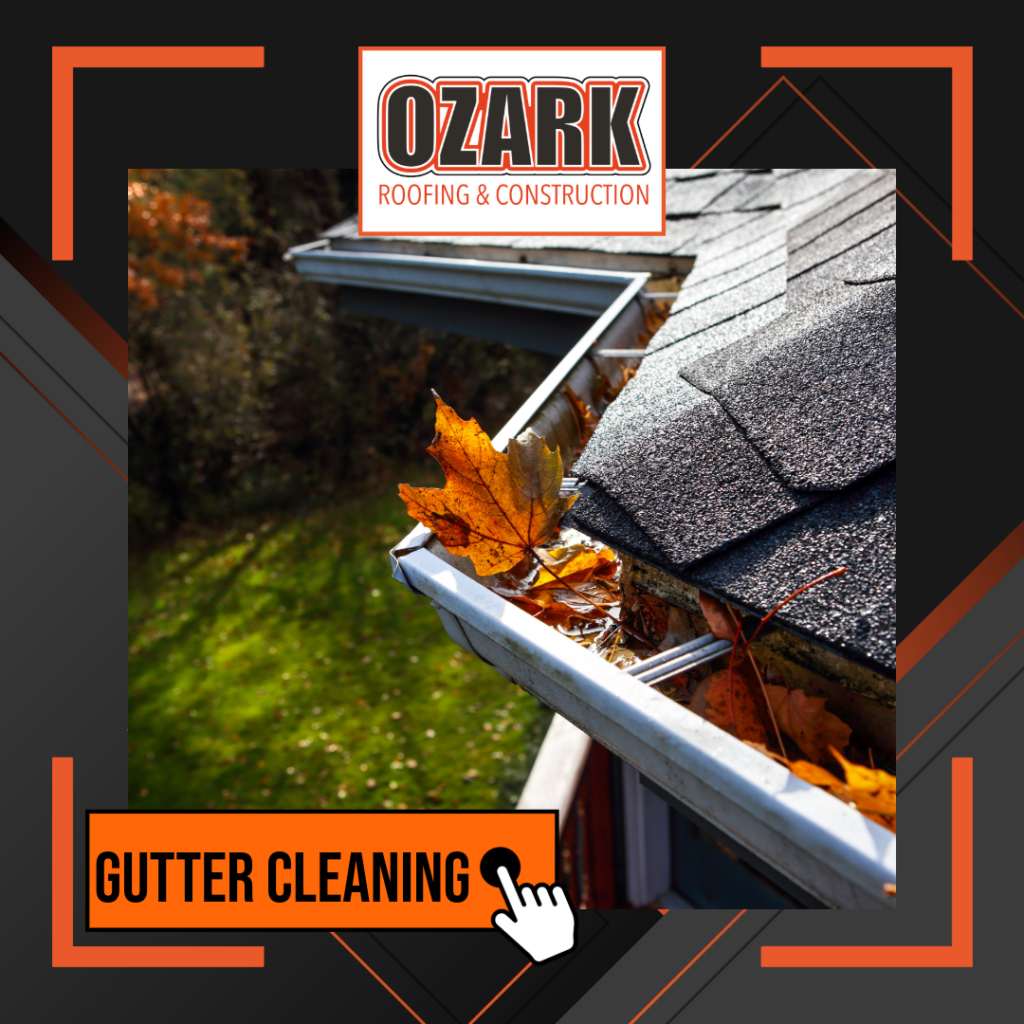
Your gutters are designed to move thousands of gallons of water away from your roofline, siding, and foundation. But when they’re packed with leaves, seed pods, shingle grit, or even a surprise plant growing out of the downspout, water can’t flow where it should. Instead, it spills over, backs up under shingles, soaks fascia boards, and pools around your home.
If you’re in St. Petersburg/Tampa area, pre-storm-season gutter maintenance is one of the smartest “low effort, high payoff” steps you can take to protect your home.
Why Gutter Maintenance Matters Before Storm Season
Heavy rain and wind don’t just test your roof; they test your drainage system, too. When gutters are clean and secure, they help:
- Prevent roof leaks caused by water backing up under shingles
- Reduce fascia and soffit rot from constant overflow
- Protect siding and paint from staining and water damage
- Minimize foundation issues caused by water pooling near the home
- Reduce mosquito breeding areas ( standing water is a magnet)
- Prevent landscape washouts and erosion
Clean gutters are a simple way to reduce storm-related damage risk.
Signs Your Gutters Need Attention (even if you “just cleaned them”)
Some gutter problems are obvious. Others are quietly doing damage. Watch for:
- Overflow during rain: Water spilling over the edge is the classic sign of a clog.
- Sagging sections: Indicates heavy debris buildup, standing water, or loose hangers.
- Plants or weeds: If anything is growing in your gutter, it’s holding moisture and debris.
- Staining on siding: Often caused by overflow or slow leaks at seams.
- Peeling paint or soft wood: Fascia boards can rot quickly when water runs behind gutters.
- Puddles near the foundation: Downspouts may be clogged, disconnected, or too short.
If you spot one or more of these, it’s worth addressing before the next big weather system.
Your Pre-Storm-Season Gutter Cleaning Checklist
You can tackle basic maintenance yourself if you’re comfortable on a ladder and can do so safely. If not, it’s best to call a professional, especially for two-story homes, steep rooflines, or areas with tricky access.
Clear debris from gutters and downspouts: Start by removing leaves, seed pods, and roof granules. Then make sure the downspouts are clear. A gutter can look “mostly fine” but still have a downspout blockage that causes water to back up.
Tip: After cleaning, run water through the system with a hose. You should see a steady flow out of the downspout with no overflow.
Check for proper slope and drainage: Gutters should be pitched slightly toward the downspouts so water doesn’t sit. Standing water can lead to:
- Rust and corrosion (especially on older systems)
- Mosquitoes
- Extra weight that pulls gutters away from the fascia
If you notice water pooling in sections, the hangers may need adjustment.
Inspect seams, corners, and endcaps: Many leaks happen at joints, especially where sections meet or inside/outside corners. Look for:
- Drips or water trails
- Separated seams
- Cracked sealant
A small seam leak can turn into wood rot over time, so it’s worth fixing early.
Tighten or replace loose hangers: Storm winds and heavy rain can stress gutter systems. If hangers are loose, the gutter can sag or pull away from the fascia, creating gaps where water runs behind the gutter instead of into it.
If you see sections pulling away, don’t ignore it, this is one of the fastest ways to end up with fascia damage.
Make sure downspouts direct water away from the home: Even if your gutters are clean, your drainage can still fail if water dumps right next to the foundation.
A good rule of thumb is to direct water several feet away from the home using:
- Downspout extensions
- Splash blocks
- Underground drainage solutions (where appropriate)
Trim back overhanging branches: Trees are a major source of gutter clogs, and branches can also scrape or dent gutters during storms. Trimming back problem areas helps reduce debris and lowers the risk of impact damage.
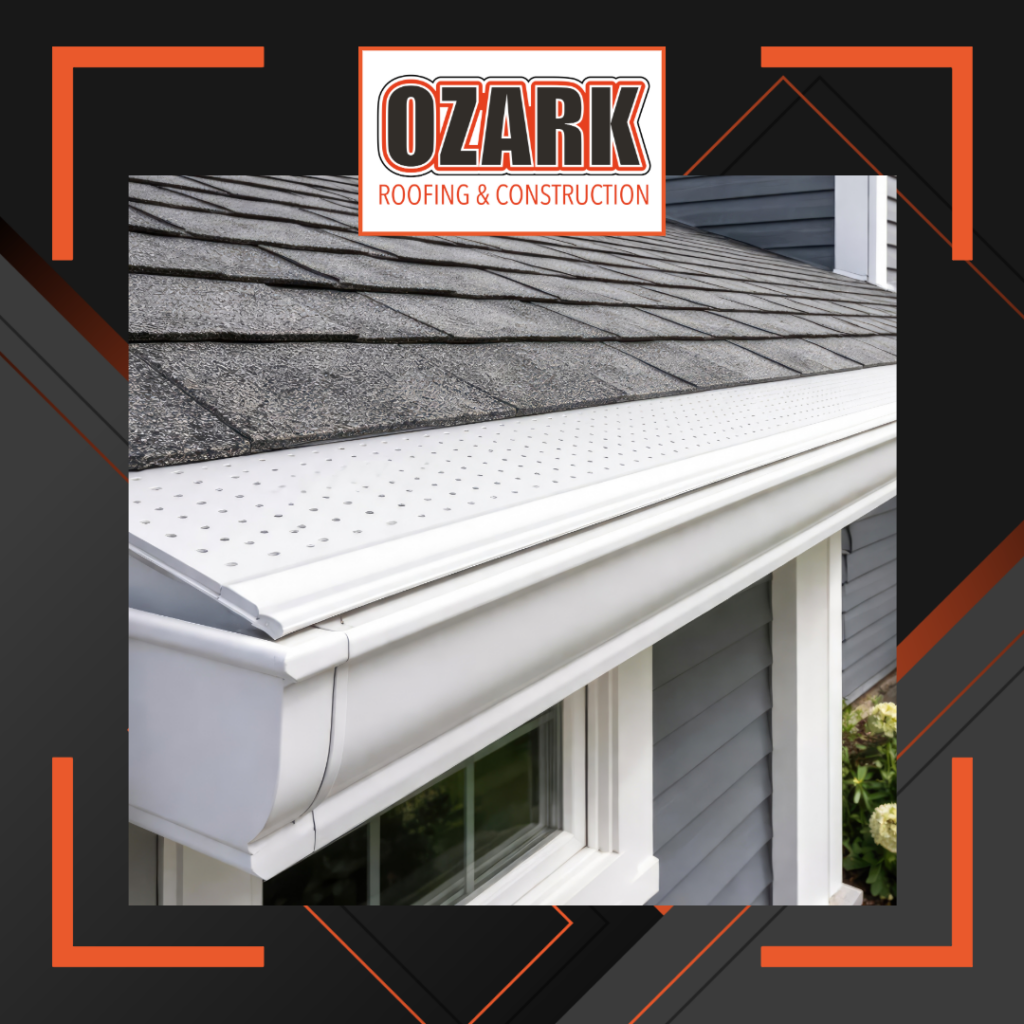
Consider gutter guards (but don’t assume they’re maintenance-free): Gutter guards can reduce debris buildup, but they’re not a “set it and forget it” solution. Fine particles (like shingle grit) can still accumulate, and guards can sometimes hide clogs until overflow becomes obvious.
If you have guards, it’s still smart to inspect the system before storm season.
When Cleaning Isn’t Enough: Signs You May Need Repair or Replacement
Sometimes the issue isn’t debris, it’s the gutter system itself. Consider a professional inspection if you notice:
- Persistent leaks even after resealing
- Multiple sagging sections
- Rust, cracks, or holes
- Gutters pulling away from the fascia
- Water damage to fascia/soffitt boards
- Frequent clogs due to poor design or undersized gutters
In storm-prone areas, the right gutter design matters. Proper sizing, correct placement, and secure fastening can make a big difference in how your home handles heavy rainfall.
The Ozark Difference: Custom and Specialty Gutters Made In-House
Not every home fits a one-size-fits-all gutter solution. Rooflines, fascia details, drainage needs, and even architectural style can require a more tailored approach.
At Ozark Roofing and Construction, we don’t just install gutters, we can make custom and specialty gutters and parts in-house. That means:
- Better fit and finish for unique rooflines and tricky corners
- Specialty components when standard parts don’t match your home’s needs
- More control over quality because we’re not relying on whatever happens to be available off the shelf
- Faster solutions when repairs require custom pieces
Whether you need a repair to get storm-ready or you’re upgrading your system for better performance, having custom capabilities can be the difference between a “good enough” fix and a long-term solution.
If you’re already thinking about hurricane shutters, roof inspections, and yard cleanup, add gutters to the list. Clean, secure gutters help protect your roof, your exterior, and your foundation, especially when the weather turns.
If you’d like a professional gutter inspection, cleaning, or a quote on a custom gutter solution, Ozark Roofing and Construction is here to help.
Schedule online through the link below.
Phone: 727-222-1863