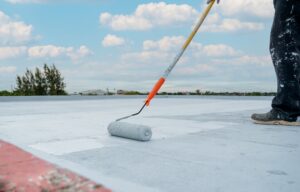
Modified bitumen roofing (often called mod bit) is one of the most proven flat and low-slope roofing systems used on commercial buildings. If you manage a retail plaza, warehouse, office building, multifamily property, or light industrial facility, you’ve probably seen it. A durable, layered membrane designed to handle foot traffic, weather swings, and the realities of commercial maintenance.
This guide breaks down what modified bitumen is, why it’s popular for commercial applications, how it’s installed, and what you should consider when deciding whether it’s the right system for your building.
What is modified bitumen roofing?
Modified bitumen is an asphalt-based roofing membrane engineered for low-slope roofs (not steep, shingle-style roofs). It’s ‘modified’ because manufacturers blend traditional asphalt with polymers to improve flexibility, strength, and weather resistance.
Modified bitumen is typically installed in multiple plies (layers), which is a big reason it performs well on commercial buildings. Those layers create redundancy; if one layer is compromised, the system is still protected.
Why modified bitumen is a strong fit for commercial roofs
Commercial roofs have different demands than residential roofs. HVAC units, vent stacks, drains, and regular service visits create more penetrations and more foot traffic. Modified bitumen is popular because it’s built for that environment.
1. Durability and puncture resistance
Compared to some single-ply membranes, modified bitumen can offer strong puncture resistance due to its reinforcement and multi-ply construction. That matters when technicians are walking on the roof, moving tools, or servicing equipment.
2. Excellent performance on low-slope roofs
Low-slope roofs don’t shed water as quickly as steep roofs. Modified bitumen systems are designed to be watertight when installed correctly, with careful attention to seams, flashing details, and drainage.
3. Reliable detailing around penetrations
Commercial roofs have lots of details: curbs, pipes, skylights, parapet walls, scuppers, and more. Modified bitumen can be shaped and sealed effectively around these areas, especially when installed by experienced crews.
4. Options for energy efficiency
Many modified bitumen systems can be paired with reflective cap sheets or coatings to help reduce heat absorption. In hot climates, this can support lower rooftop temperatures and potentially reduce cooling loads.
5. Repairability
No roof is maintenance-free. One advantage of modified bitumen is that it can often be repaired without replacing the entire system, especially when issues are caught early through routine inspections.
How modified bitumen is installed (and why it matters)
The installation method is one of the biggest factors in long-term performance. Modified bitumen can be installed in several ways, and the best choice depends on the building, code requirements, budget, and site conditions.
Common installation methods include:
- Torch-applied: Uses heat to bond the membrane. This method can create strong adhesion but requires strict fire safety protocols.
- Cold-applied adhesive: Uses roofing adhesive instead of open flame. Often chosen when fire risk or building occupancy makes torching undesirable.
- Self-adhered: A peel-and-stick style membrane that can reduce odors and installation complexity.
- Hot-mopped asphalt (less common today in some markets): Traditional method that can be effective but requires specialized equipment
Most commercial modified bitumen systems include:
- Deck preparation (clean, dry, and structurally sound)
- Vapor barrier (when needed)
- Insulation
- Cover board (often improves durability and fire performance)
- Base sheet and/or mid-ply layers
- Cap sheet (often granulated or smooth, depending on design)
- Flashing and edge metal (critical for leak prevention)
Modified bitumen is not just a material choice. It’s a system, and the system is only as good as the details.
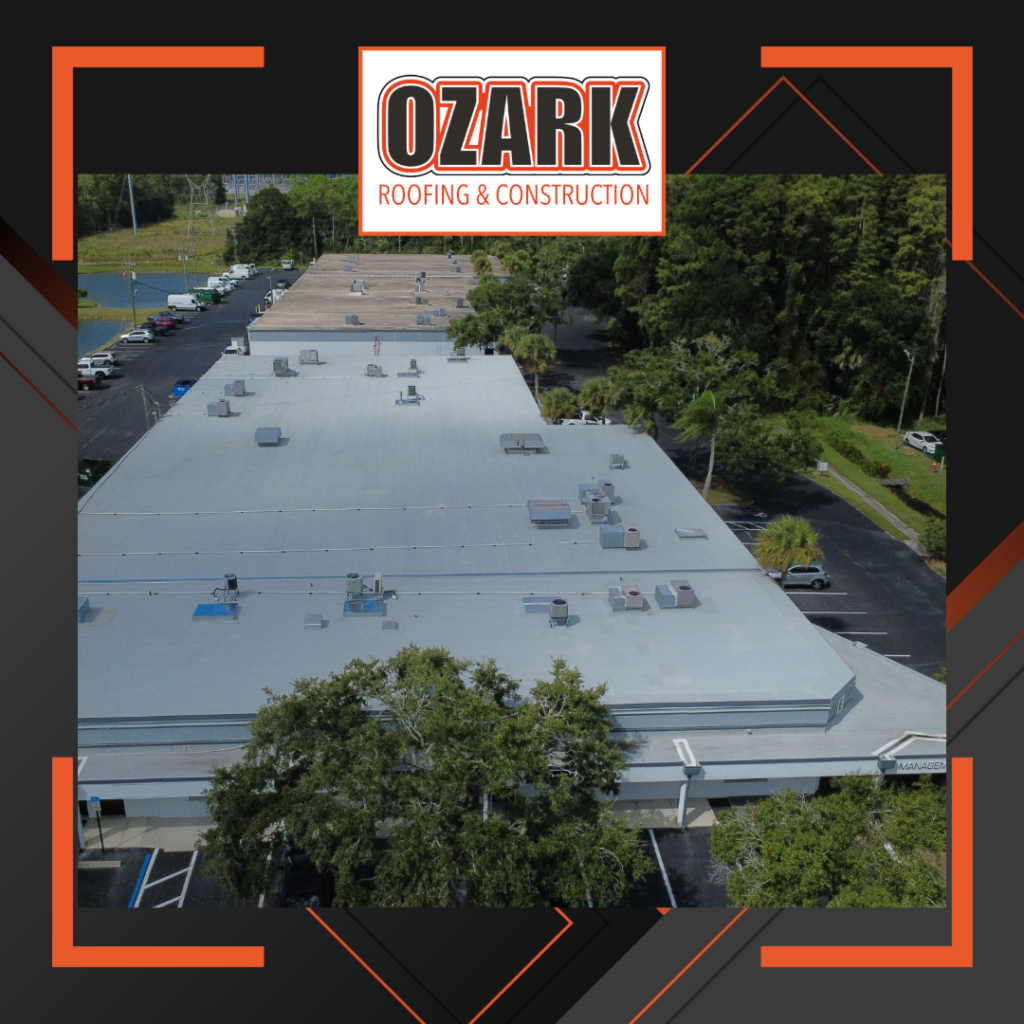
Modified bitumen vs other commercial roofing options
Property owners often compare modified bitumen to TPO, PVC, EPDM, and built-up roofing (BUR). Each has strengths.
- TPO/PVC (Single-ply): Often chosen for reflectivity and heat-welded seams. Great systems but may be more sensitive to punctures depending on thickness and traffic.
- EPDM (rubber): Known for flexibility and long-term performance, especially in colder climates. Seams are typically adhered or taped.
- BUR (built-up roofing): Multiple layers of asphalt and felts. Very durable but can be heavier and more labor-intensive.
Modified bitumen sits in a practical middle ground: multi-layer durability like BUR, with modern manufacturing and installation options that can be faster and cleaner.
Maintenance: how to get the most life from a modified bitumen roof
A commercial roof lasts longer when it’s inspected and maintained. For modified bitumen, routine maintenance typically focuses on:
- Drainage: Keep drains, scuppers, and gutters clear. Ponding water stresses any low-slope system.
- Seams and flashings: These are common leak points on all flat roofs.
- Rooftop traffic management: Use walk pads near HVAC units and service paths.
- Debris removal: Leaves, branches, and trash can trap moisture and cause damage.
- After-storm checks: Wind events can loosen edge metal or damage flashing.
A good rule of thumb for many commercial properties is a professional inspection at least once per year, plus additional checks after major storms.
Key considerations before choosing modified bitumen
Modified bitumen can be an excellent commercial solution, but it’s not automatically the best fit for every building. Before you commit, consider:
- Roof slope and drainage design: Low-slope roofs need proper drainage planning.
- Existing roof condition: A re-cover (overlay) may be possible in some cases, but sometimes a full tear-off is the smarter long-term move.
- Fire and safety requirements: Torch-applied systems require strict controls; some sites may prefer cold-applied or self-adhered.
- Warranty options: Manufacturer and contractor warranties vary. Ask what’s included and what maintenance is required.
- Foot traffic level: If your roof sees frequent service visits, design for it with thicker membranes, cover boards, and walk pads.
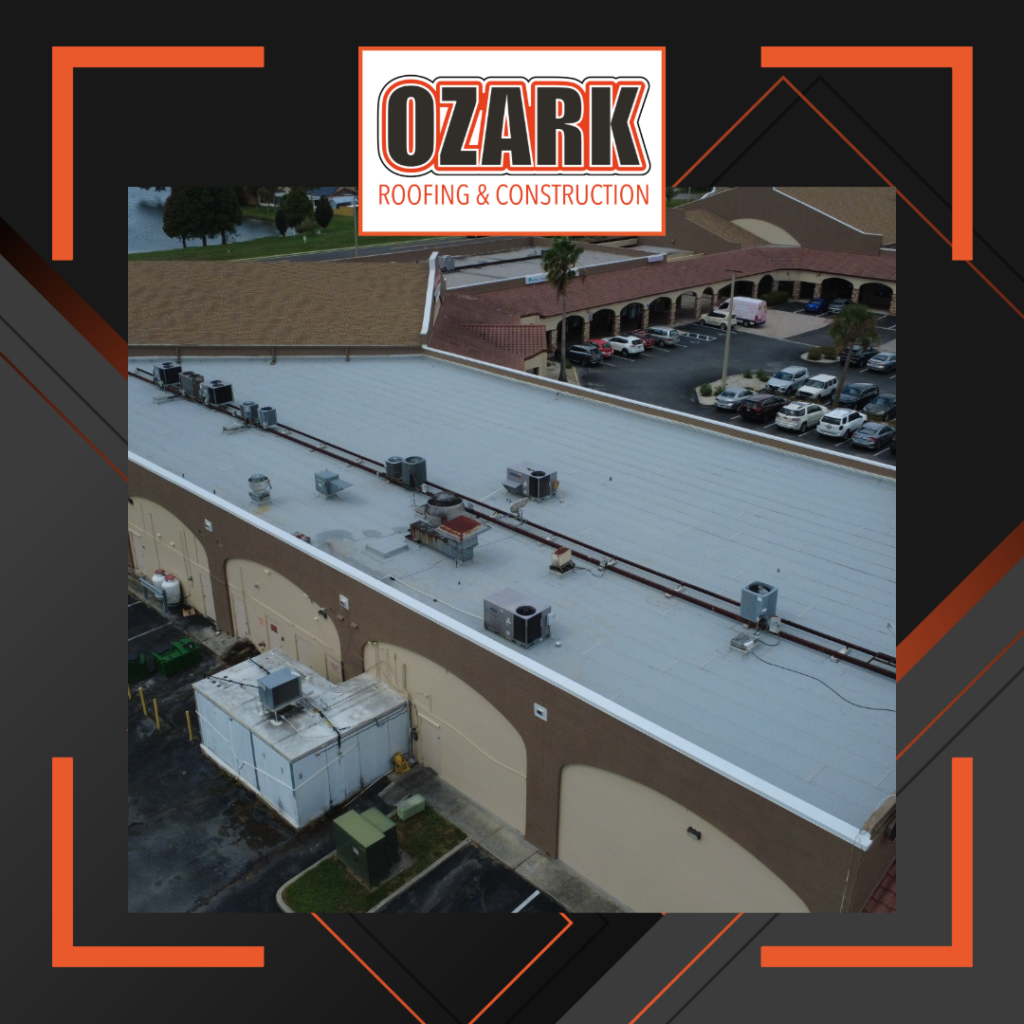
Modified bitumen for commercial buildings
Modified bitumen roofing remains a go-to choice for commercial buildings because it’s durable, adaptable, and well-suited to the realities of low-slope roof design. When installed as a complete system with proper insulation, flashing, and drainage combined with maintenance and routine inspections, a modified bitumen roof can deliver reliable protection for years.
If you’re evaluating a new commercial roof or planning a replacement, the best next step is a professional assessment of your roof’s condition, drainage, and building needs.
Ready to get clarity on your commercial roof?
If you’re in St. Petersburg or the greater Tampa Bay area, request a commercial roof inspection with Ozark Roofing and Construction. We’ll evaluate your roof’s current condition, identify any problem areas, and recommend the most cost-effective path forward, whether that’s a repair, re-cover, or a full replacement.
Phone: 727-222-1863
Or schedule online through the link below.