Spring in Tampa Bay is the calm before the storm. After cooler winter fronts and before the daily downpours, high humidity, and hurricane season ramp up, spring is the best time to make sure your roof and gutters are ready to protect your home.
Below are practical homeowner-friendly best practices you can tackle now, plus guidance on when it’s smart to call a local roofing pro.
Why Spring Maintenance Matters in Tampa Bay
Florida roofs don’t just battle rain. They deal with intense UV exposure, salty coastal air, sudden temperature swings, and fast-growing algae and moss. Add in spring pollen, tree debris, and afternoon thunderstorms, and small issues can turn into leaks quickly.
A spring inspection helps you:
- Catch minor damage before it becomes a costly repair
- Improve drainage before heavy rain season
- Reduce the risk of interior water damage and mold
- Extend the life of your roof and gutter system
1. Start with a Safe Visual Inspection
You don’t need to climb on your roof to spot early warning signs. In fact, staying off the roof is often the safest choice.
Walk your property and look for:
- Missing, lifted, or cracked shingles (especially along ridges and edges)
- Granules in downspout outlets (shingle wear often shows up as “sand” in gutters)
- Rust spots or loose fasteners on metal components
- Sagging gutters or sections pulling away from the fascia
- Water stains on soffits, fascia boards, or exterior walls
- Dark streaks or green growth (algae, mildew, or moss)
Inside your home, check:
- Attic or ceiling stains
- Musty odors (a sign of moisture)
- Peeling paint near ceiling corners
If you see active leaking, bubbling drywall, or widespread staining, ski the DIY steps and schedule a professional inspection.
2. Clear Debris From Valleys, Edges, and Gutters
Spring is peak season for pollen, leaves, and small branches, especially after windy cold fronts. Debris traips moisture and can redirect water under shingles.
Best practice checklist:
- Use a leak blower or soft broom from a ladder (not from the roof) to clear roof edges and valleys
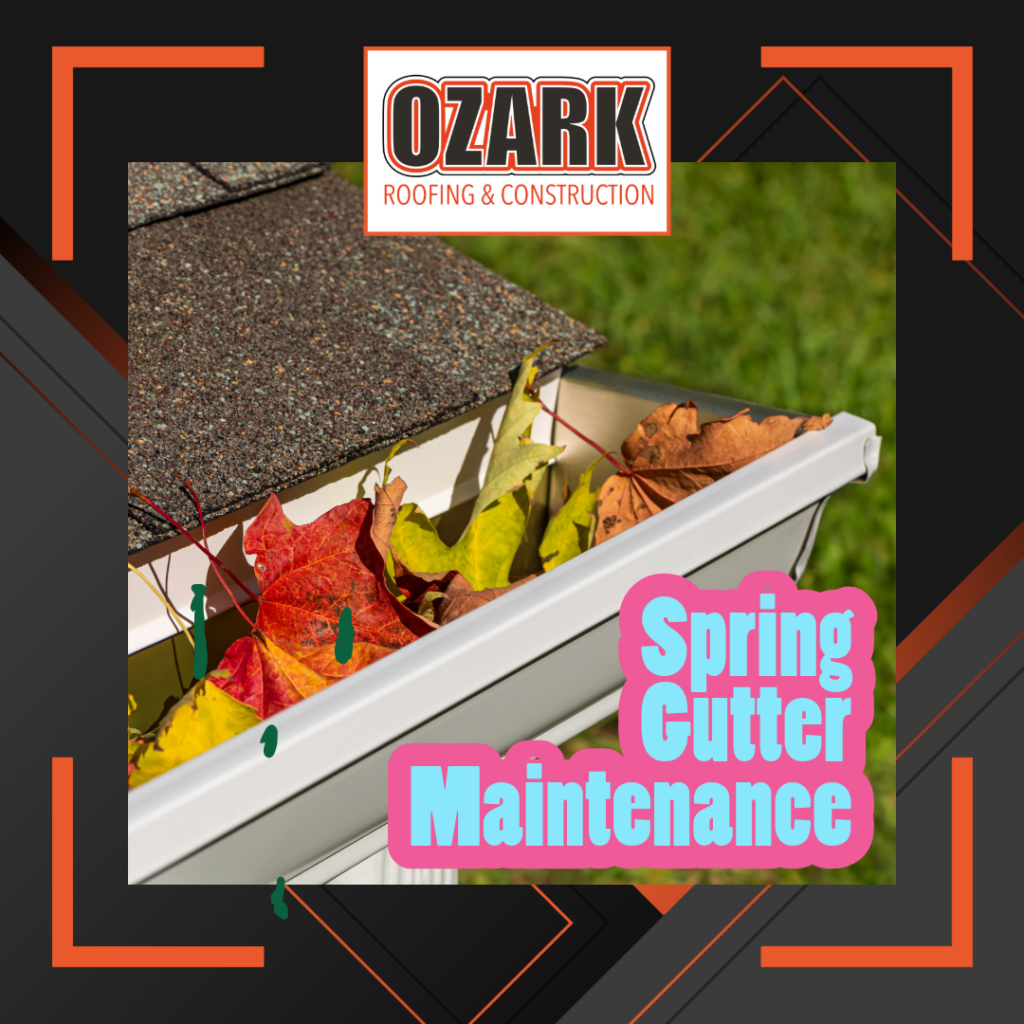
- Remove sticks and leaves from gutters and downspout openings
- Flush gutters with a hose to confirm water flows freely
Safety note: Use a stable ladder, have a spotter, and avoid working during wet or windy conditions.
3. Make Sure Your Downspouts Actually Move Water Away
In Tampa Bay, heavy rain can dump inches of water in a short time. If downspouts discharge too close to your foundation, you can end up with pooling, erosion, or water intrusion.
Aim for:
- Downspouts that discharge at least 4-6 feet away from the home
- Extensions or splash blocks where needed
- No standing water near corners after rain
If you’re seeing overflow during storms, the issue may be a blog, undersized gutters, poor slope, or too few downspouts.
4. Check Gutter Slope, Seams, and Fasteners
Gutters should have a slight slope toward downspouts. Over time, fasteners can loosen, sections can separate, and seams can leak.
Look for:
- Water markts beneath seams or end caps
- Drips at corners
- Gutter sections that look “flat” or back-pitched
- Nails/screws on the ground (a sign the system is loosening)
Small seam leaks can sometimes be sealed, but if the gutter is pulling away from fascia or sagging, it’s worth having it re-hung properly.
5. Inspect Flashing and Penetrations (the most common leak zones)
Most roof leaks don’t start in the middle of a shingle field, they start where the roof is interrupted.
Pay special attention to:
- Chimneys
- Skylights
- Plumbing vent boots
- Roof-to-wall Transitions
- Valleys
From the ground, look for lifted edges, cracked sealant, or visible gaps. In Florida’s heat, sealants can dry out faster than homeowners expect.
6. Watch for Algae and Moisture-Related Wear
Those black streaks you see on many Florida roofs are often algae. While it can be mostly cosmetic early on, heavy growth can hold moisture and accelerate wear.
Best practices:
- Avoid pressure washing shingles (it can strip granules and shorten roof life)
- Use manufacturer-approved cleaning methods, or hire a pro experienced with Florida roofing materials
- Trim back overhanging branches to improve airflow and reduce shade
7. Don’t Forget the “Support System”: Soffits, Fascia, and Attic Ventilation
Your roof system includes more than shingles. Poor ventilation can trap heat and moisture, contributing to premature aging and mold.
Quick checks:
- Are soffit vents blocked by insulation?
- Do you see peeling paint or soft wood on fascia boards?
- Is your attic unusually hot or humid?
If you’re not sure, a professional inspection can confirm whether your ventilation is balanced and whether any wood components need repair.
8. Prepare Now for Storm Season
Spring is the ideal time to handle small fixes before contractors get booked out during peak storm months.
Storm-season readiness tips:
- Replace missing or damaged shingles promptly
- Secure loose flashing and repair vent boots
- Confirm gutters are firmly attached and draining correctly
- COnsider gutter guards if you have heavy tree coverage (they’re not one-size-fits-all, but they can reduce clogging)
- Document your roof’s current condition with photos for your records
When to Call a Local Roofing Professional
DIY checks are great for spotting obvious issues, but some problems require trained eyes and safe access.
It’s time to call a pro if you notice:
- Active leaks or interior staining
- Soft spots, sagging areas, or visible decking issues
- Repearted gutter overflow even after cleaning
- Loose or missing flashing
- Shingles lifting after wind events
- You’re unsure of your roof’s age or condition
A professional inspection can also help you plan ahead, whether that’s a simple repair, a maintenance plan, or bedugeting for a future replacement.
A Simple Spring Maintenance Schedule (Tampa Bay Edition)
If you awnt an easy rhythm, here’s a homeowner-friendly schedule:
- Early spring (March- April): Visual roof check + gutter cleaning + downspout flush
- Late spring (May): Re-check after the first heavy storms & confirm no overflow or leaks
- After major wind events: Quick walk-around inspection and photo documentation
Spring roof and gutter maintenance in Tampa Bay is about one thing: controlling water. Clear drainage paths, address small issues early, and make sure the most leak-prone areas, flashing, penetrations, and seams, are in good shape.
Spring maintenance can prevent small issues from turning into expensive repairs, especially with Tampa Bay’s sun, storms, and humidity. If you’d like a professional set of eyes on your roof and gutters, Ozark Roofing and Construction can help with a thorough inspection and honest recommendations. Head into the rainy season with confidence.
Request a free inspection by phone or schedule through the link below.
Schedule online through the link below.
Phone: 727-222-1863