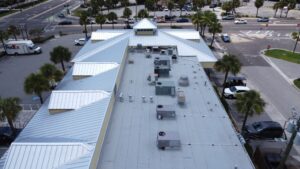
Even in Florida, January weather can be rough on a roof; cold fronts, gusty winds, and sudden rain can expose small issues before they turn into leaks. If you have a metal or shingle roof in St. Petersburg or anywhere in the Tampa Bay area, use this checklist to identify early warning signs and determine whether it’s time for a professional inspection.
Before you start, please note that you don’t need to climb onto your roof to do a meaningful inspection. In fact, we recommend you stay on the ground and use binoculars or your phone’s zoom for anything hard to see. If something looks off, that’s the perfect time to request a free inspection.
1. Look for “wind-lift” damage (especially on shingles)
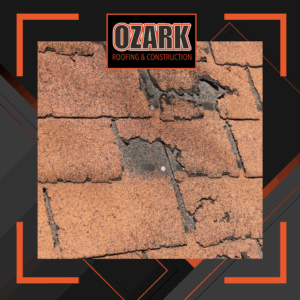
Wind is one of the biggest culprits after a front moves through. On shingle roofs, gusts can loosen tabs, lift corners, and break the seal strings that keep the shingles flat.
What to do: Walk the perimeter of your home and look along the roofline for areas that look uneven or ruffled. Pay extra attention to the edges, ridges, and any spot where the roof changes direction.
What to watch for:
- Lifted edges or corners
- Missing shingles (or shingles in your yard)
- Exposed nail heads
- Shingles that look cracked, curled, or flapped up
Why it matters: When shingles lift, wind-driven rain can get underneath. That moisture can travel farther than you’d expect before it shows up as a ceiling stain.
2. Check metal panels for movement, dents, or loose fasteners
Metal roofs are durable, but they still have details that can loosen over time, especially with temperature swings and high wind. January is a mart month to check for anything that suggests movement.
What to do: Look for panels that appear uneven, wavy, or shifted. Scan the roof for fastener lines (where screws are installed) and check for inconsistencies.
What to watch for:
- Backed-out screws or fasteners that sit higher than the rest
- Dents from falling branches or wind-blown debris
- Rust spots on older components or exposed metal
- Separation at seams or transitions
Why it matters: A single loose fastener can become a path for water intrusion. Over time, that can lead to underlayment damage, wood rot, and interior leaks.
3. Inspect flashing around chimneys, walls, and roof penetrations
Flashing is one of the most common leak sources on both metal and shingle roofs because it’s where materials meet and move differently. Wind and rain can stress these areas, and sealants can dry out in the Florida sun.
What to do: Identify every penetration: plumbing vents, attic vents, skylights, and any pipes or stacks. Look at roof-to-wall areas (where a roof meets a vertical wall).
What to watch for:
- Gaps, lifted edges, or missing flashing pieces
- Cracked, brittle, or separated sealant
- Rust, corrosion, or staining
- Loose counter flashing around chimneys
Why it matters: Even a small flashing gap can let water in during heavy rain. The tricky part is that water can run along the framing before it becomes visible inside.
4. Clear gutters and downspouts (and check for overflow stains)
Gutters aren’t just nice to have; they’re an important part of your roof system. When gutters clog, water can back up under the roof edge and soak fascia boards.
What to do: Remove leaves and debris from gutters and run water through downspouts to confirm strong flow. Look for places where water spills over the gutter edge.
What to watch for:
- Overflow stains on fascia or siding
- Sagging gutters or separated joints
- Granules collecting in gutters (a sign of shingle wear)
- Standing water near your foundation after rain
Why it matters: Poor drainage can cause rot at the roof edge and increase the chance of leaks during wind-driven rain.

5. Scan for debris buildup in valleys and behind roof features
Valleys and dead zones (example: behind chimneys or skylights) collect debris. In Pinellas County, even a small pile of leaves can trap moisture and redirect water.
What to do: Look for dark patches or piles in valleys. Check behind chimneys, around skylights, and near roof-to-wall areas.
What to watch for:
- Leaves, branches, or pine needles that stay wet
- Moss or algae growth in shaded areas
- Water staining that suggests overflow paths
Why it matters: Debris can act like a dam. When water can’t flow freely, it finds seams, edges, and penetrations.
6. Look inside for early leak signals (attic + ceilings)
Sometimes the first sign isn’t on the roof, it’s inside. A quick interior check can catch problems early.
What to do: After a rain, check ceilings in bedrooms, hallways, and around skylights. If you can safely access your attic, look at the underside of the roof decking for stains or water intrusion.
What to watch for:
- Water stains
- Bubbling paint
- Peeling texture
- Musty smells or damp insulation
- Dark spots on wood decking
- Daylight where it shouldn’t be (around penetrations)
Why it matters: Catching moisture early can prevent mold growth and reduce repair costs.
7. Check your roof edge system: soffit, fascia, drip edge, and vents
Wind-driven rain often finds weak spots at the edges. Your roof’s edge system helps direct water away and protect the structure.
What to do: Walk around your home and look up at soffits and fascia. Check for loose panels or areas that look warped.
What to watch for:
- Peeling paint or soft wood on the fascia
- Sagging soffit panels
- Loose or missing drip edge
- Signs of pests entering through gaps
Why it matters: Edge damage can lead to hidden rot and can also affect attic ventilation, which impacts roof lifespan.
When to call a pro (and what to do next)
If you spot missing shingles, loose flashing, back-out fasteners, or any interior water stains, it’s worth scheduling a professional inspection. Small repairs now can help you avoid bigger (and more expensive) damage later, especially before storm season.
Book a free roof inspection in Tampa Bay
Ozark Roofing and Construction is locally owned and serves St. Petersburg and the surrounding Tampa Bay areas. If you’d like a pro to take a look at your roof, request a free inspection by phone or schedule through the link below.
Schedule online through the link below.
Phone: 727-222-1863